Jaehong Park
WEBSITE WORK IN PROGRESS

Pianist

Jaehong Park - Pianist

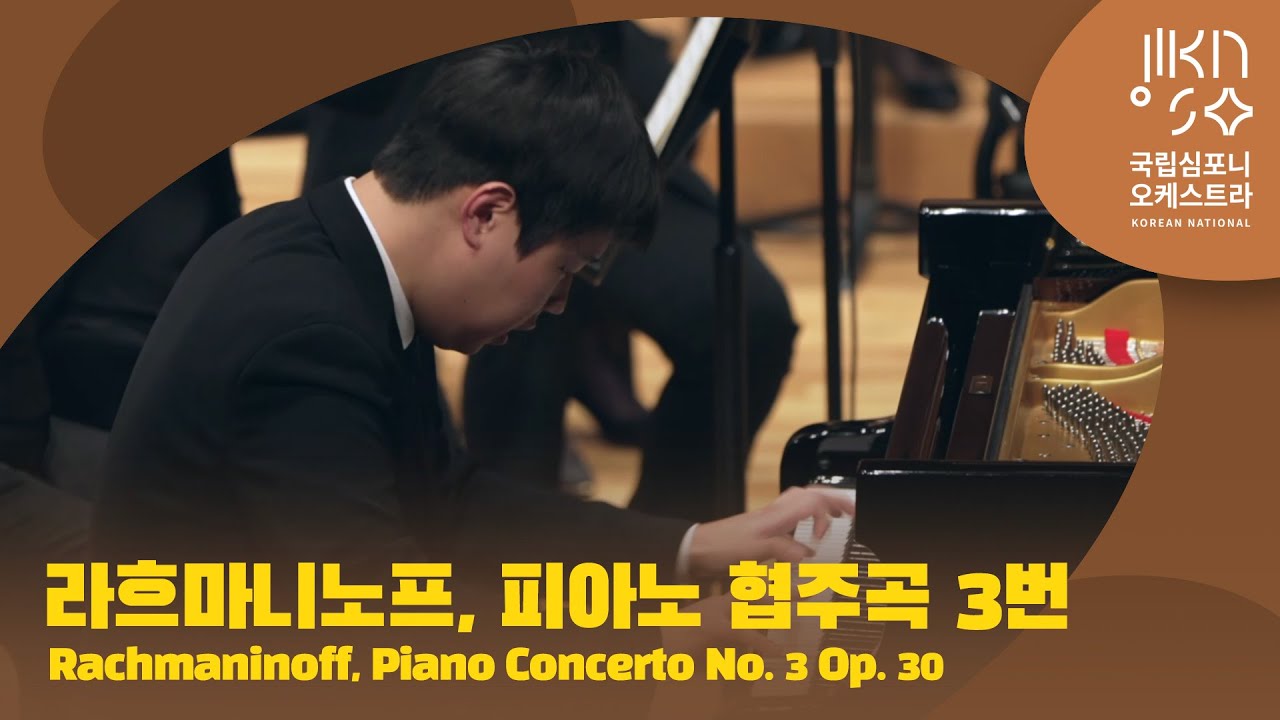
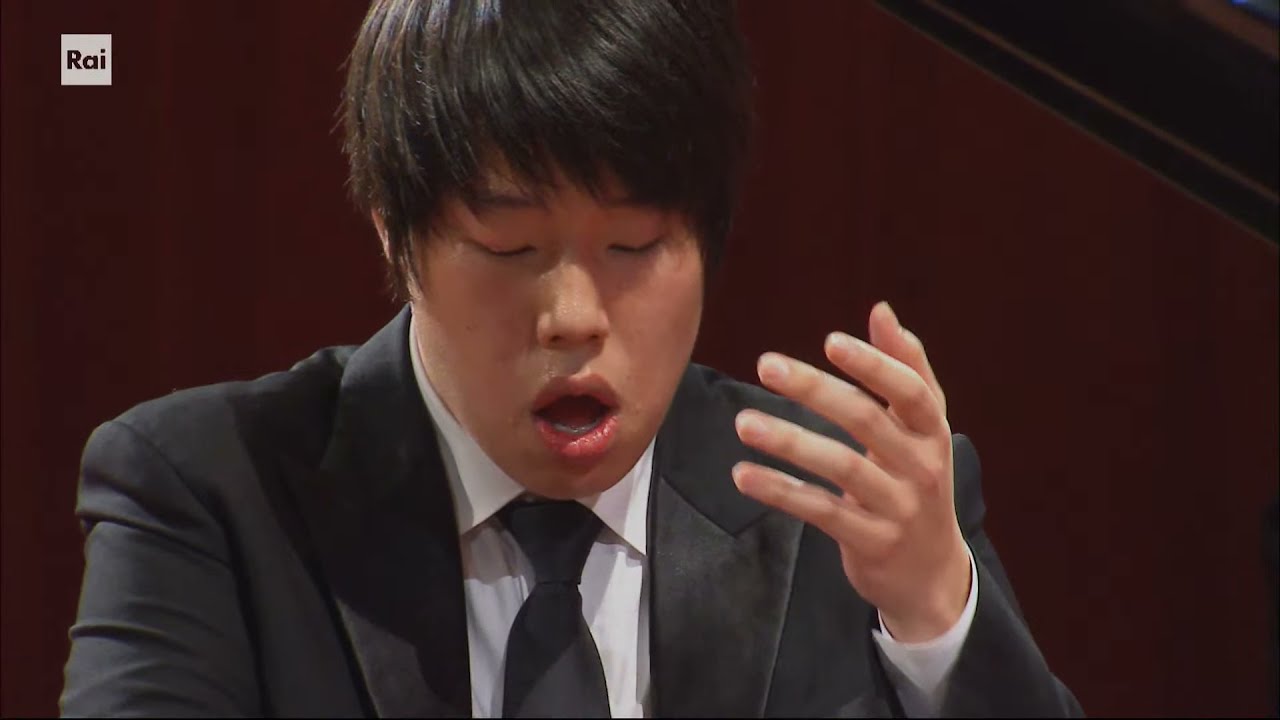
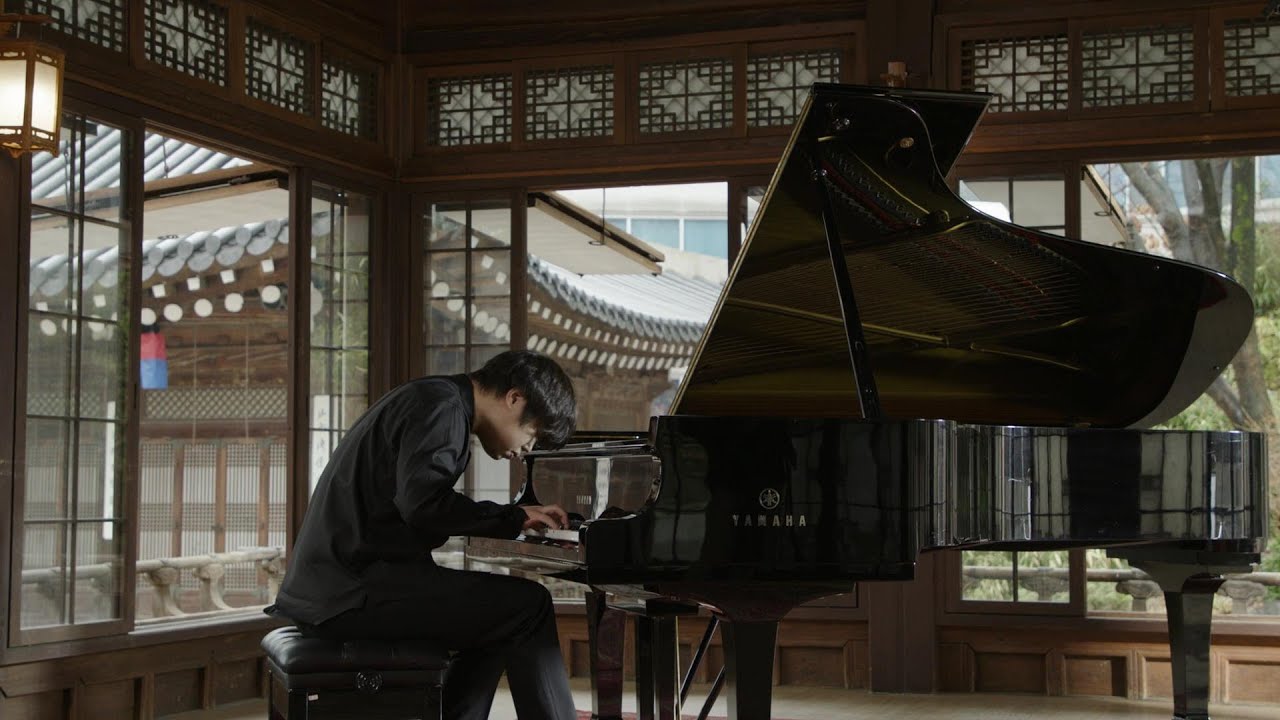
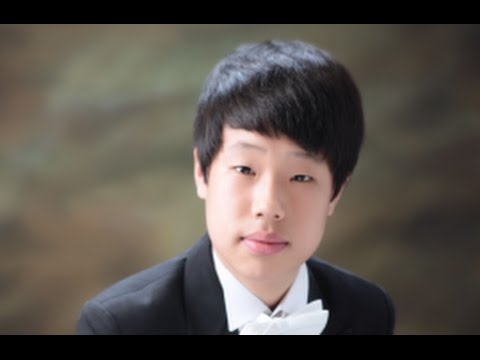
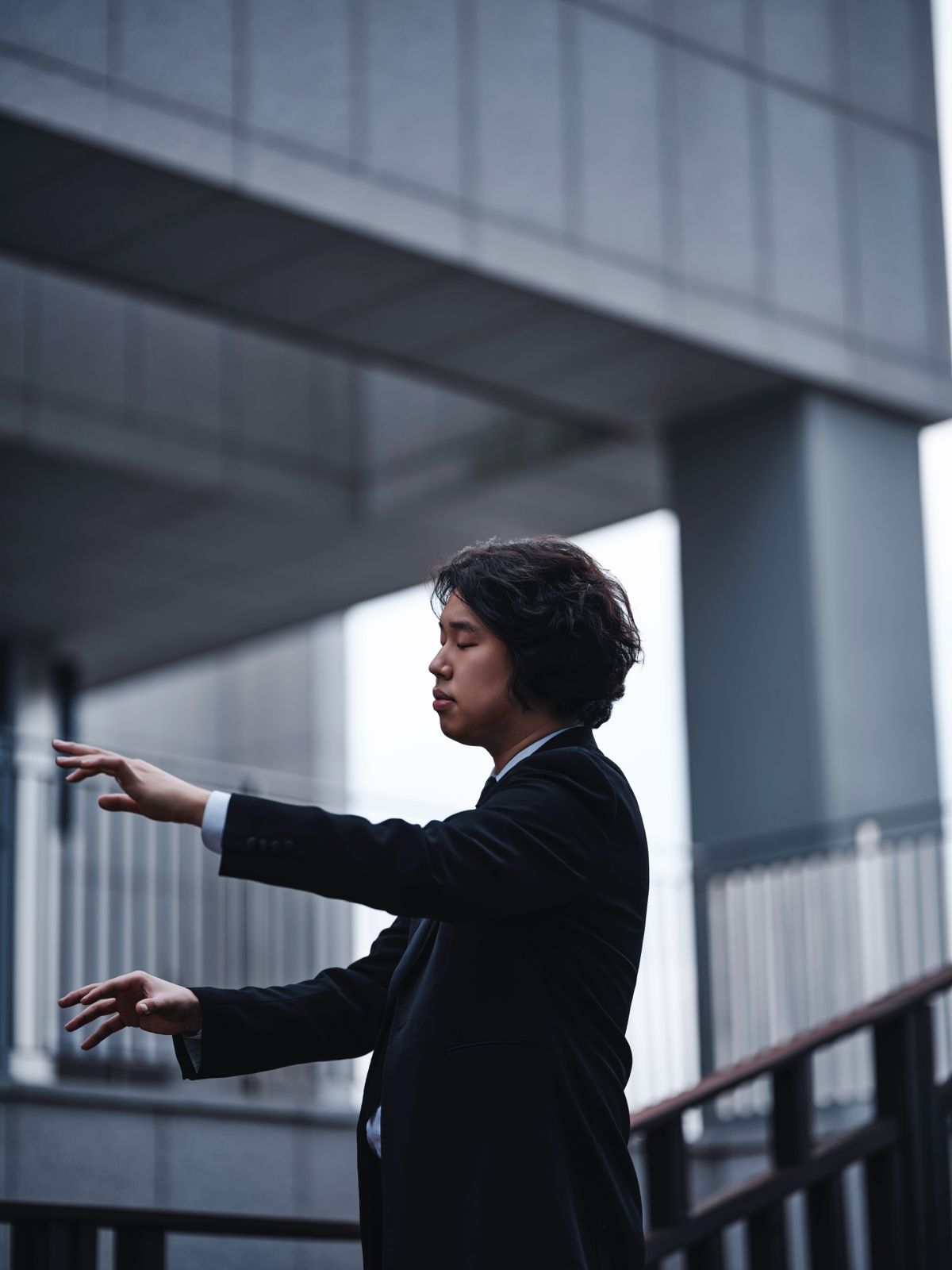
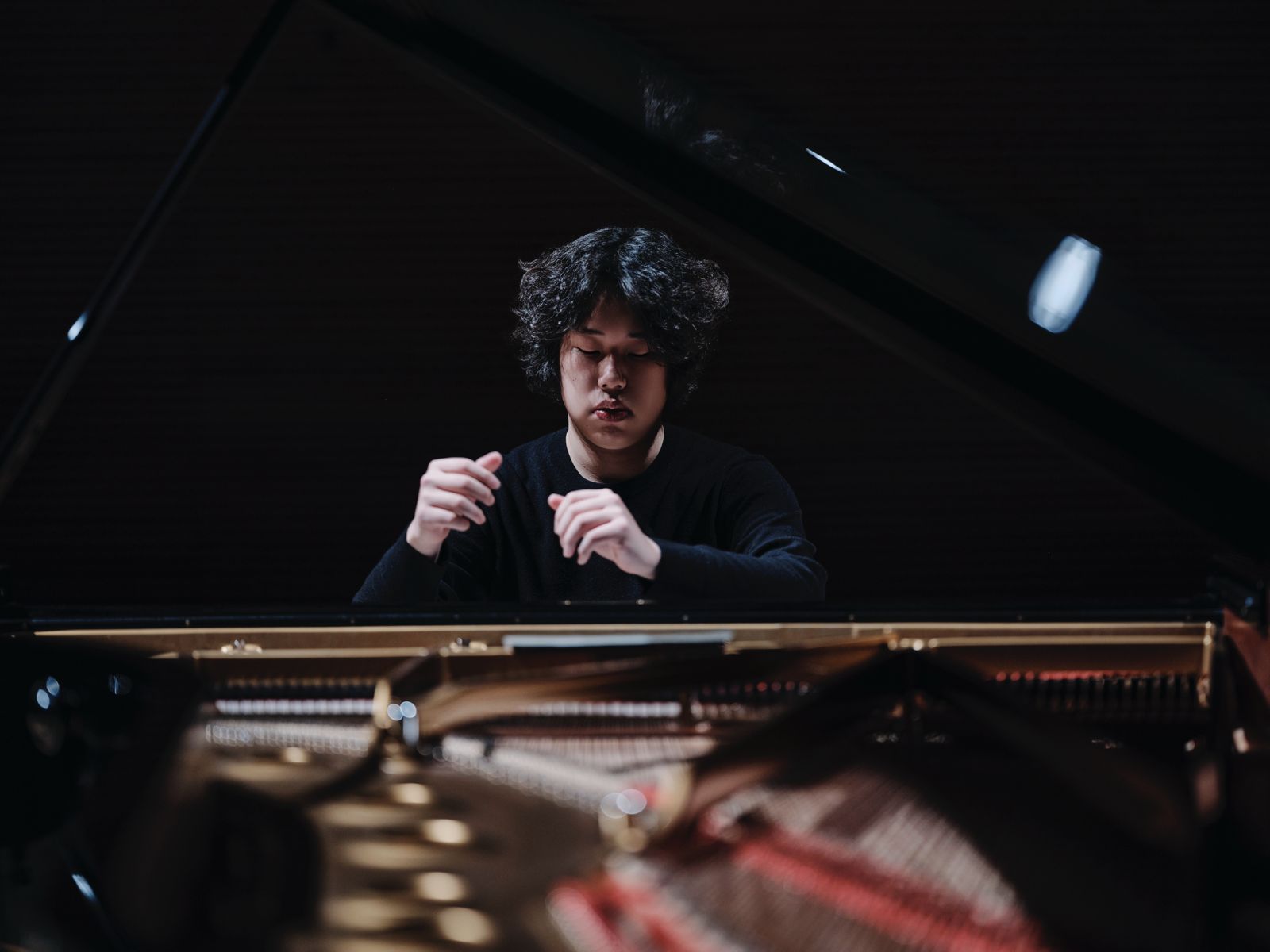
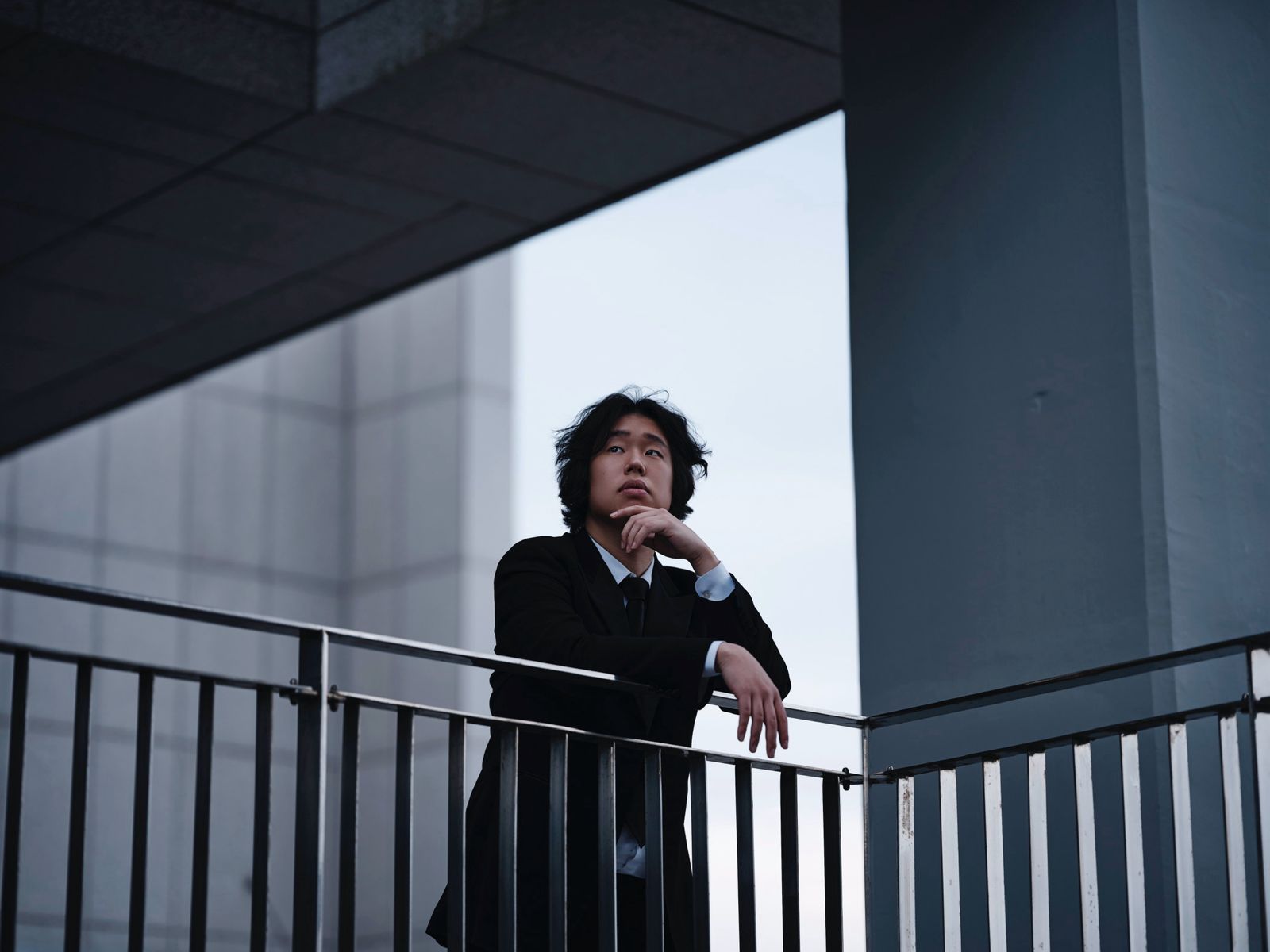
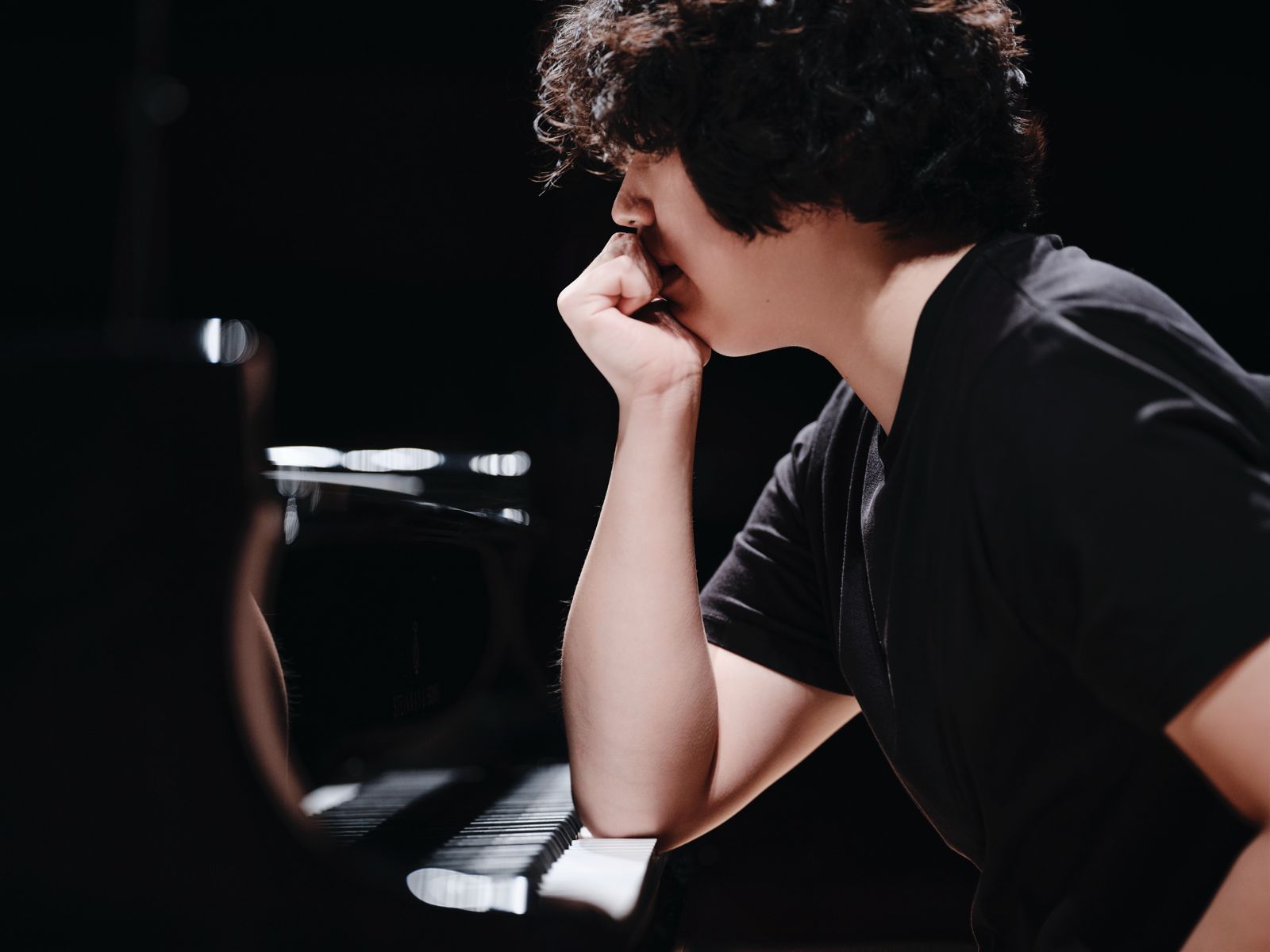
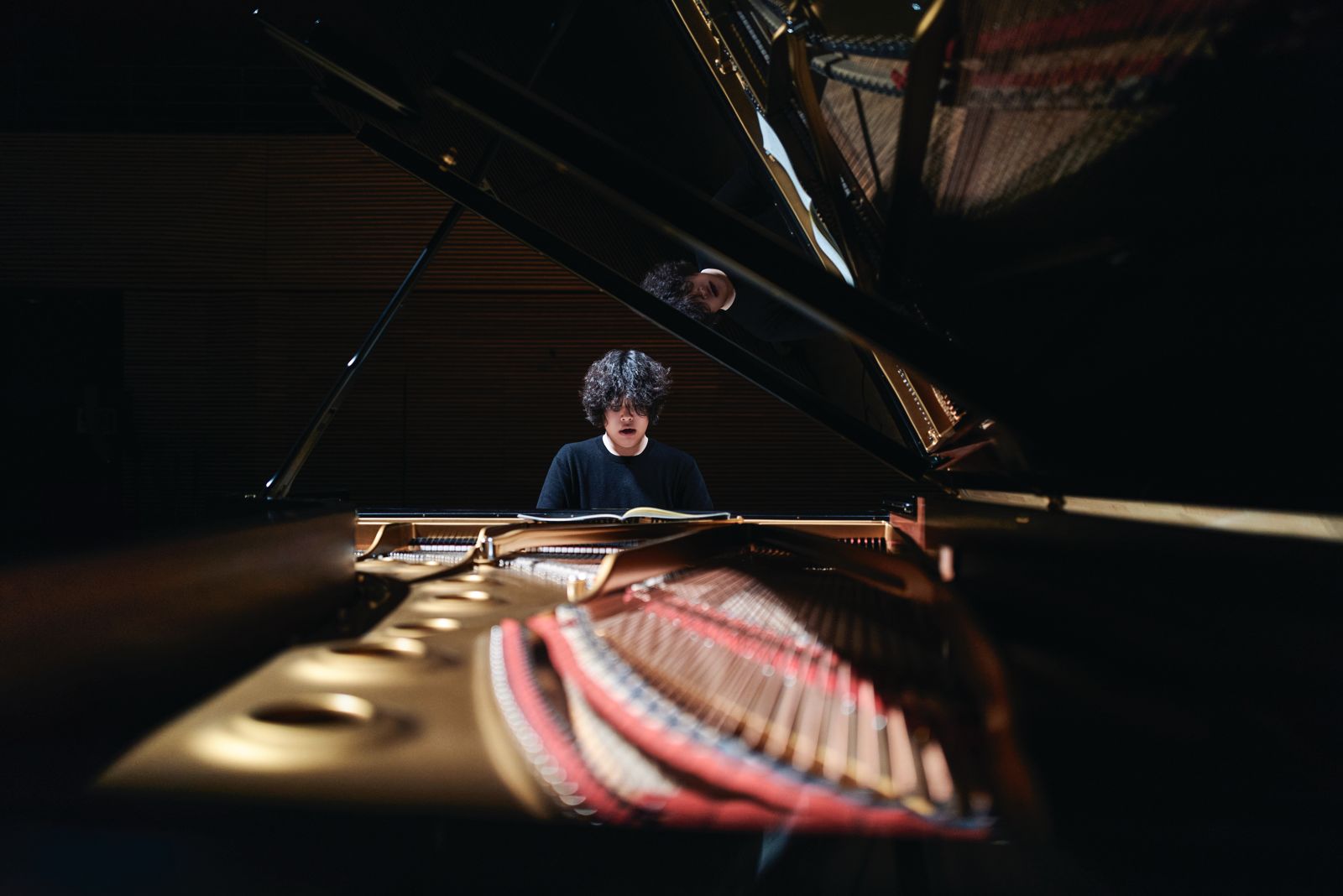
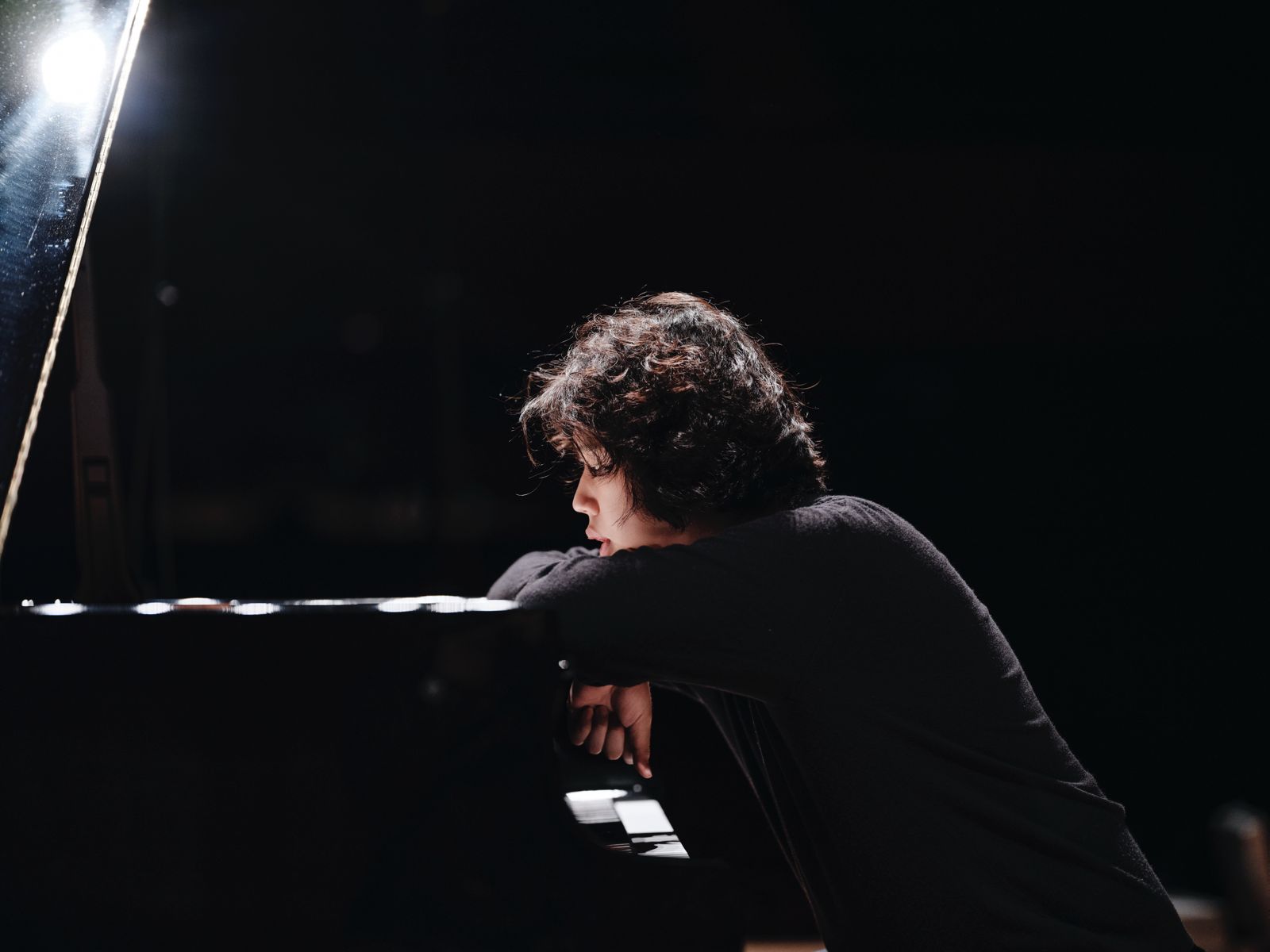
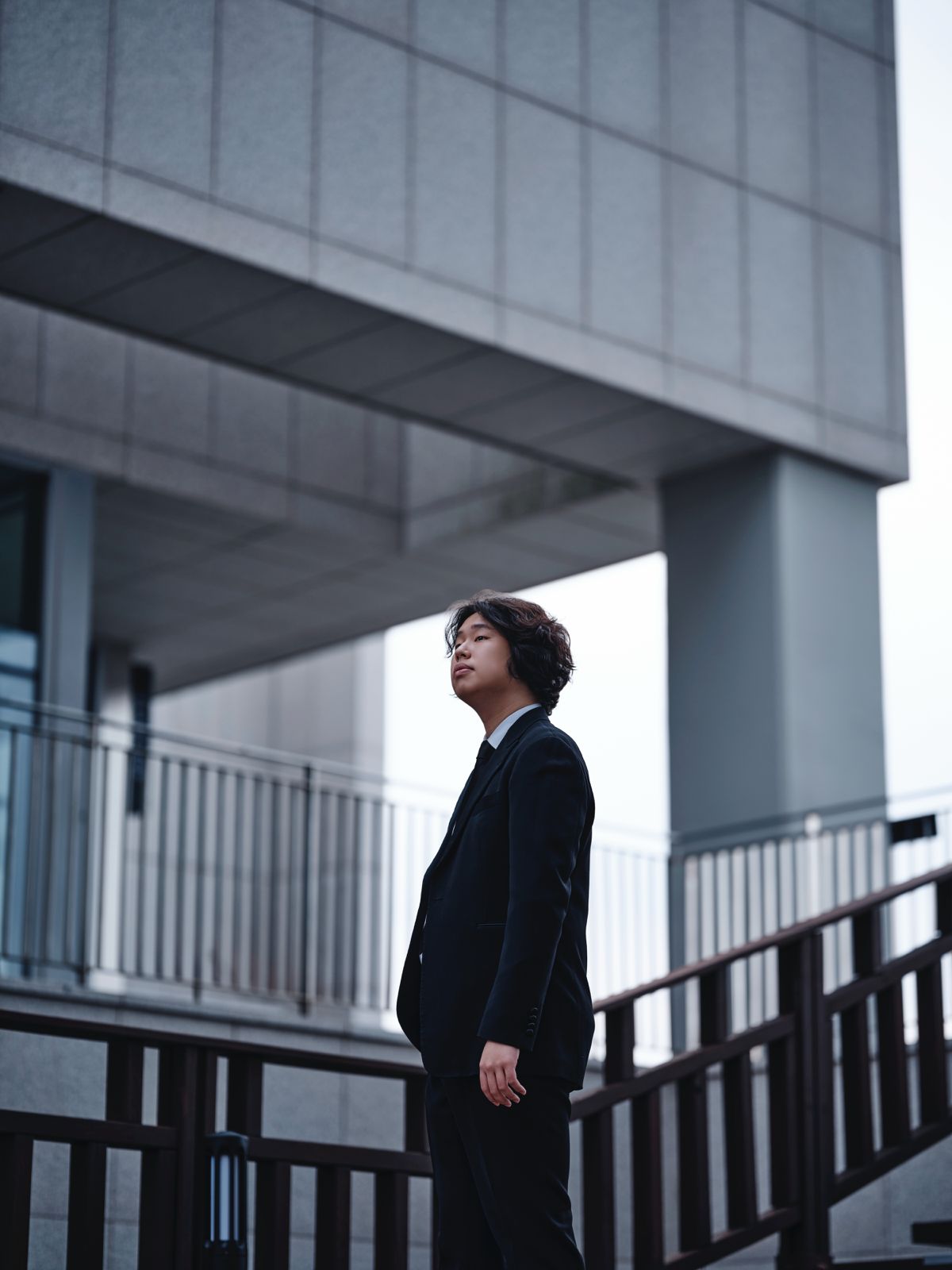
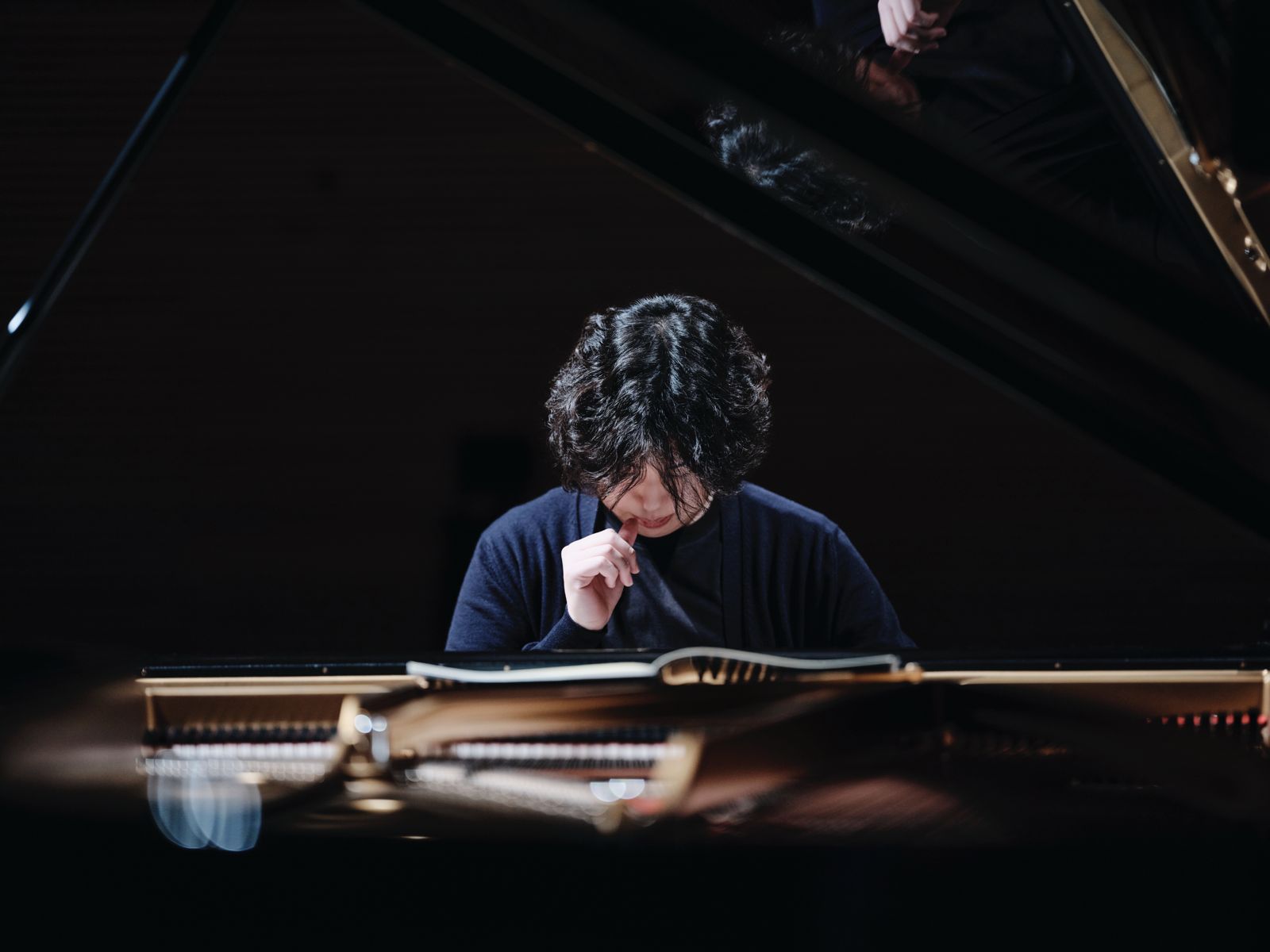
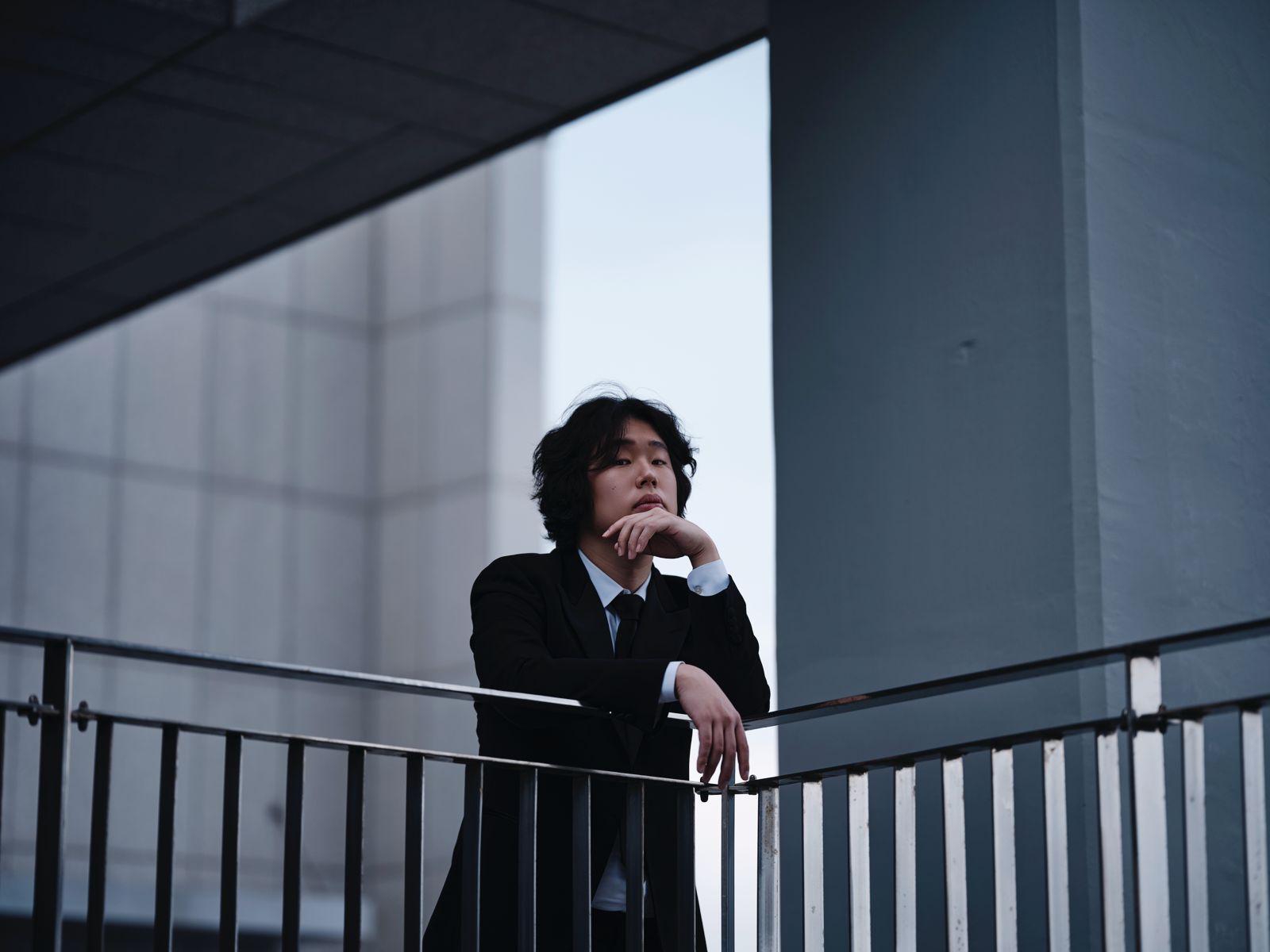
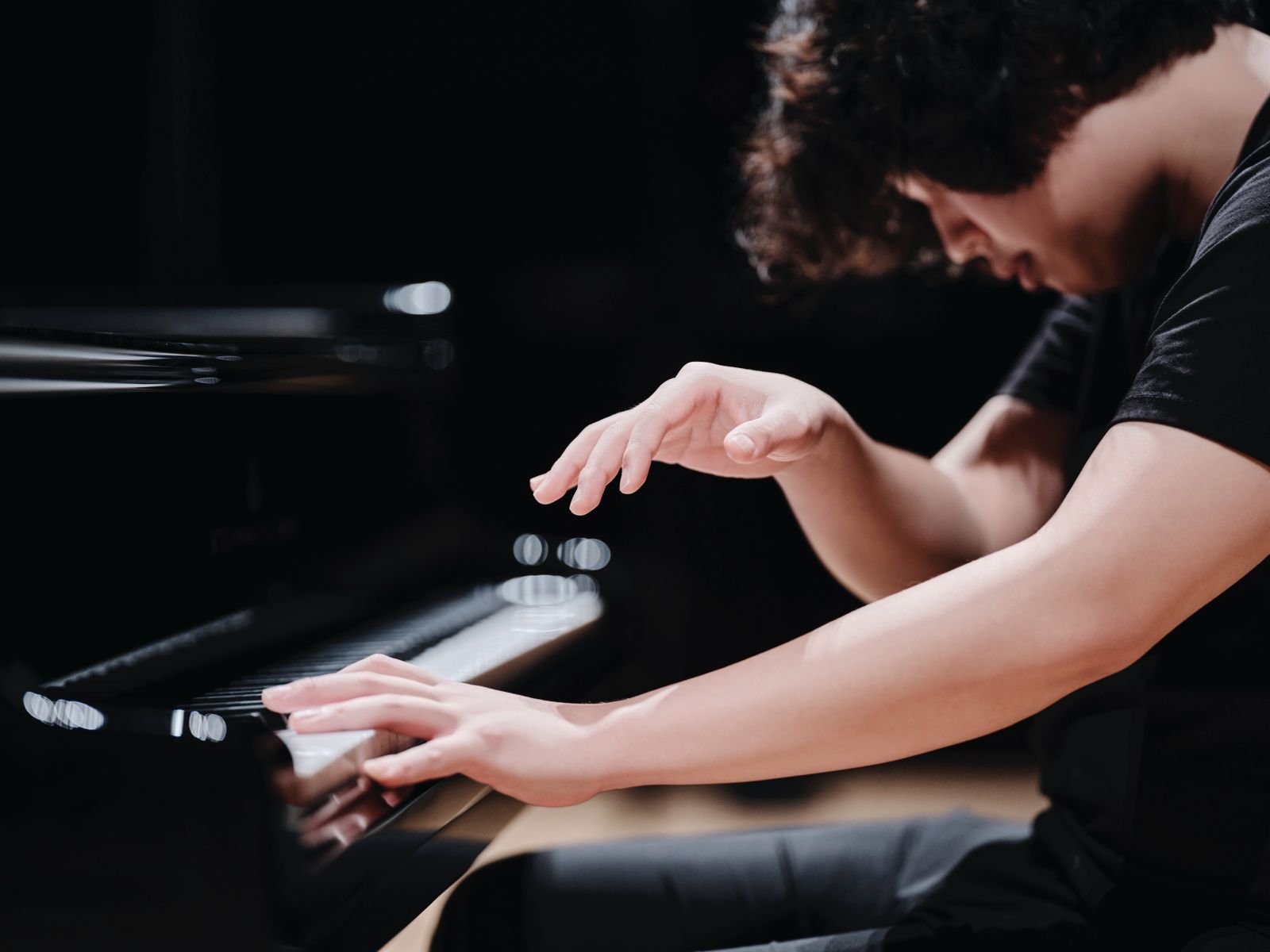
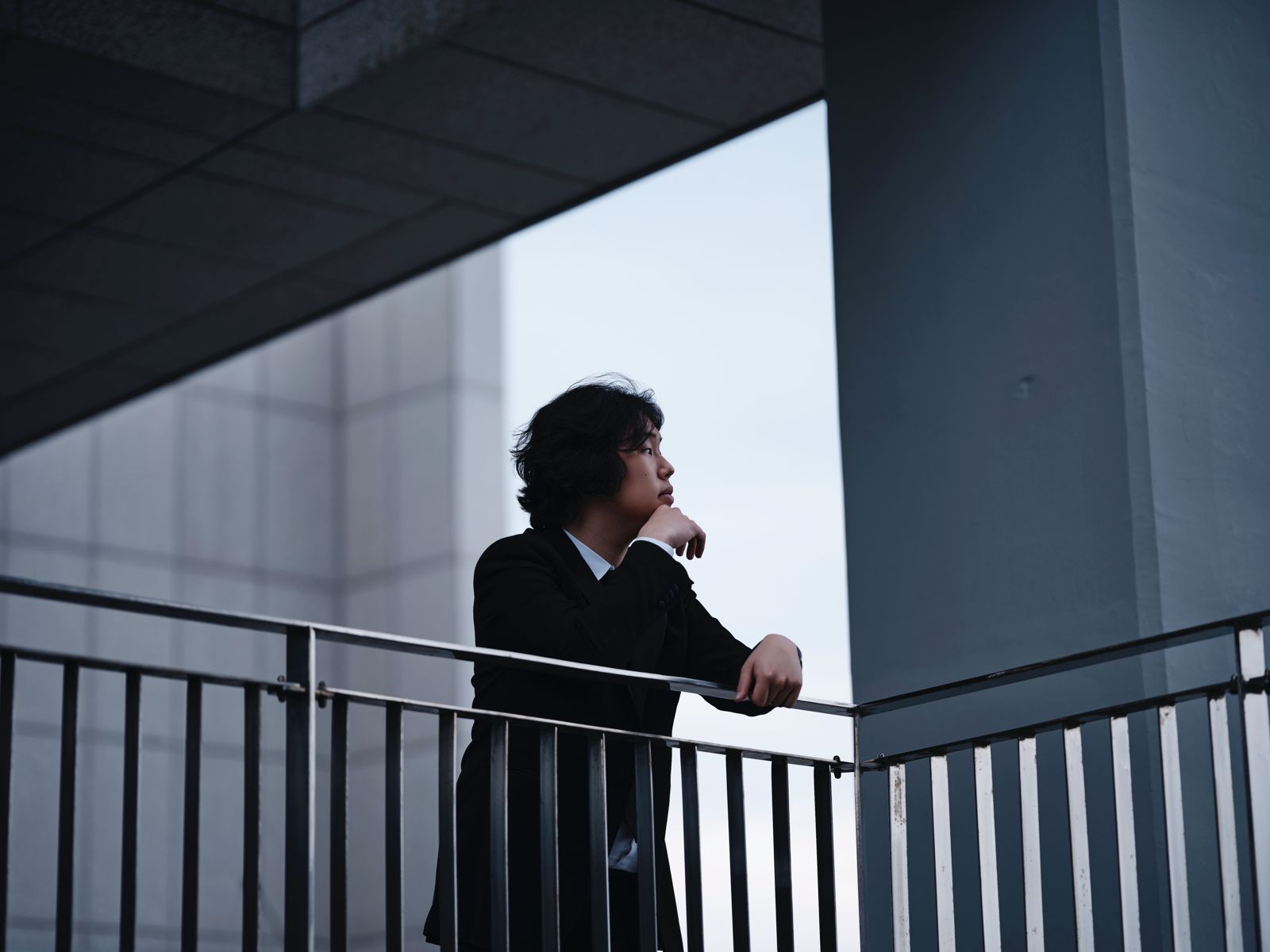
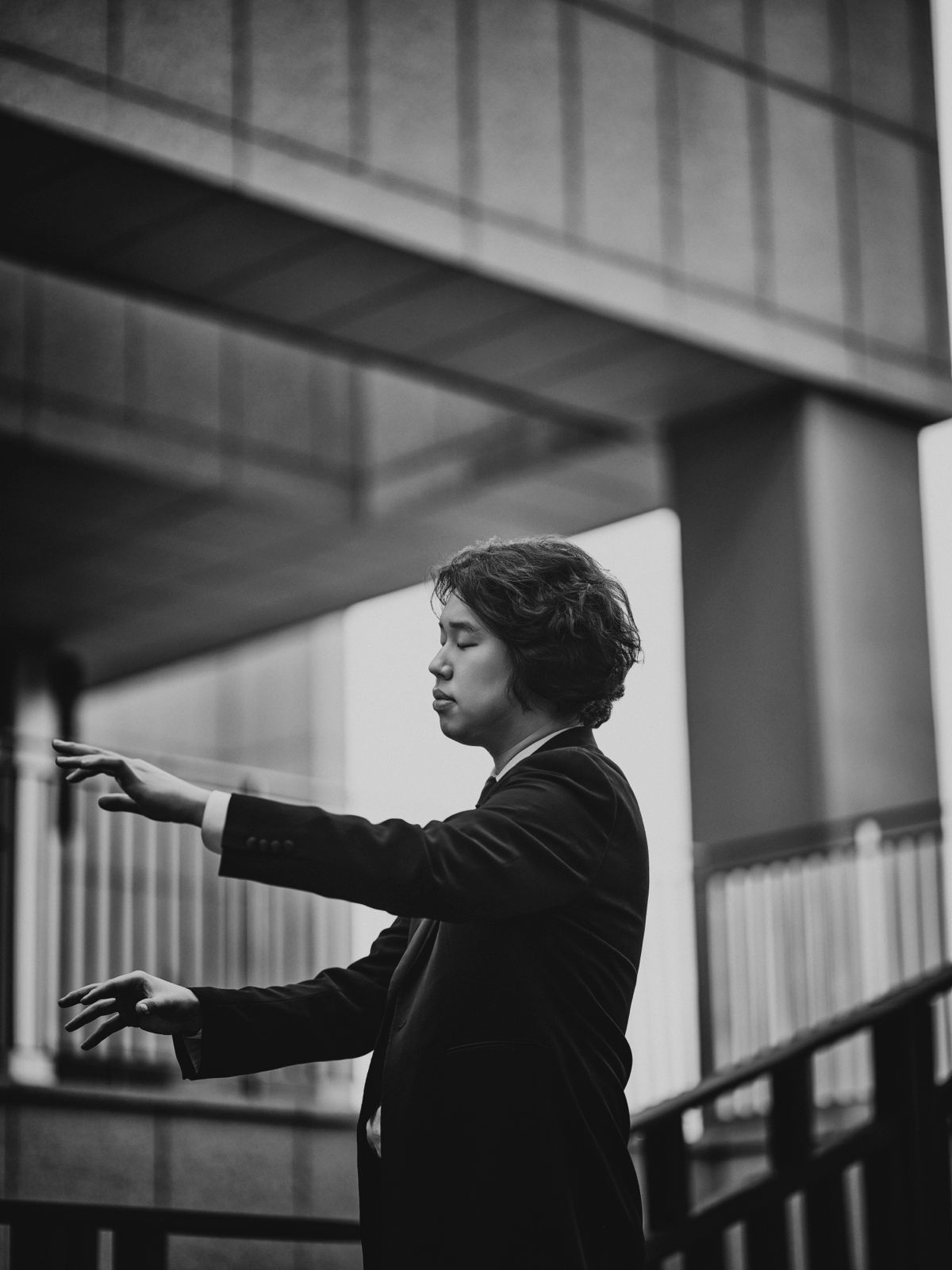
Pianist Jaehong Park is praised for his mesmerizing virtuosity and astounding stage presence. Described as “fearless” and “meticulous” artist, Jaehong has emerged as one of the most sought-after pianists of his generation with his triumph from 2021 Feruccio Busoni International Piano Competition, where he not only received the first prize but also four special prizes.
Also winner of the Gina Bachauer and the Cleveland International Piano Competition for Young Artists, he has won top prizes at the Arthur Rubinstein International Piano Masters Competition, Ettlingen International Competition and many others.
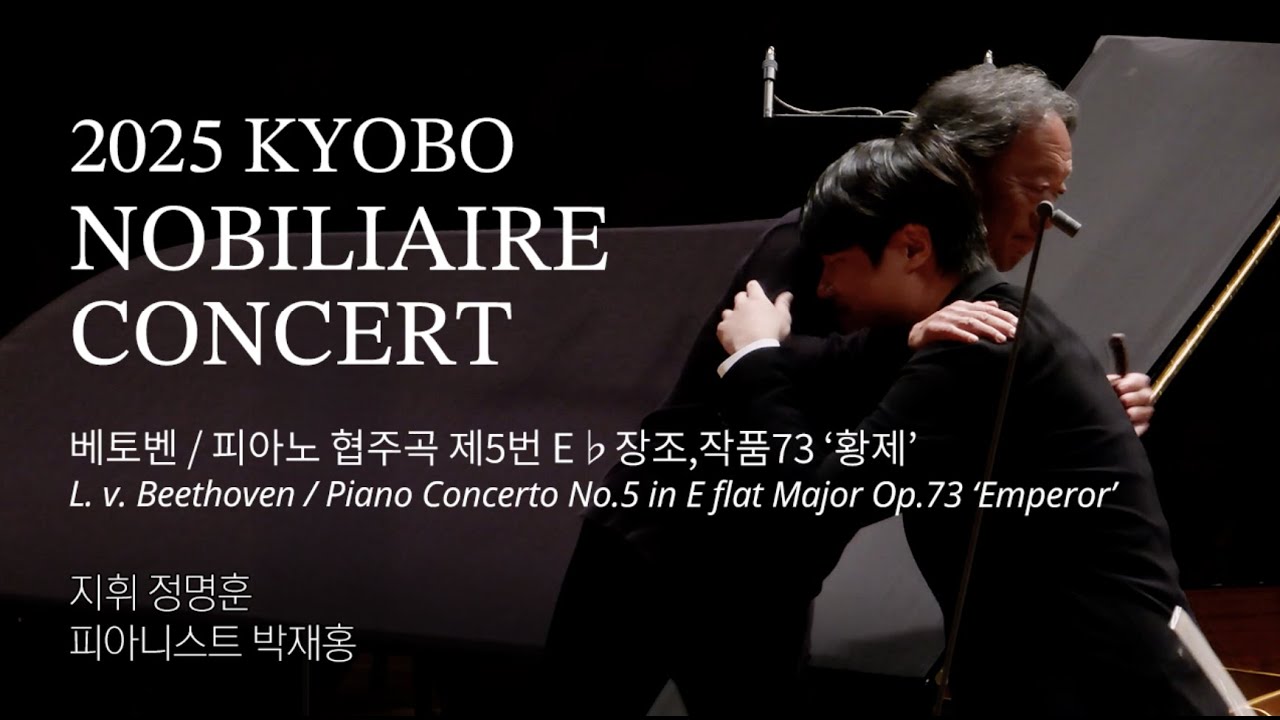
Jaehong has performed with the Staatsphilharmonie Nürnberg, ORF Vienna Radio Symphony Orchestra, Israel Philharmonic Orchestra, Utah Symphony Orchestra, Orchestra I Pomeriggi Musicali, Filarmonica Arturo Toscanini, Seoul Philharmonic Orchestra, European Union Youth Orchestra to name a few, and worked with leading conductors such as Myung-Whun Chung, Gianandrea Noseda, Markus Stenz, Yoel Levi, Kristjan Jarvi, Tung-Chieh Chuang, Gerrit Prießnitz, Omer Meir Wellber, James Feddeck, Avner Biron, Arvo Volmer and many others.
Mr. Park has performed at the Grafenegg Festival, Bolzano Festival Bozen, Incontri in Terra di Siena, Lingotto Musica (Torino), Musica Insieme (Bologna), Tongyeong International Music Festival and many other leading festivals and performed in leading concert halls, such as Gewandhaus (Leipzig), Wigmore Hall (London), Suntory Hall (Tokyo), Teatro Politeama (Pallermo), Teatro Comunale (Ferrara) and many other venues.
Concerts

19 Feb 2026

TIROLER SYMPHONIEORCHESTER

innsbruCk

Read More

20 Feb 2026

TIROLER SYMPHONIEORCHESTER

innsbruck

Read More

TBA

TBA

TBA

TBA

TBA

TBA

Listern / Watch

JP Video 2025-11-26 at 3.12.56 PM.mp4

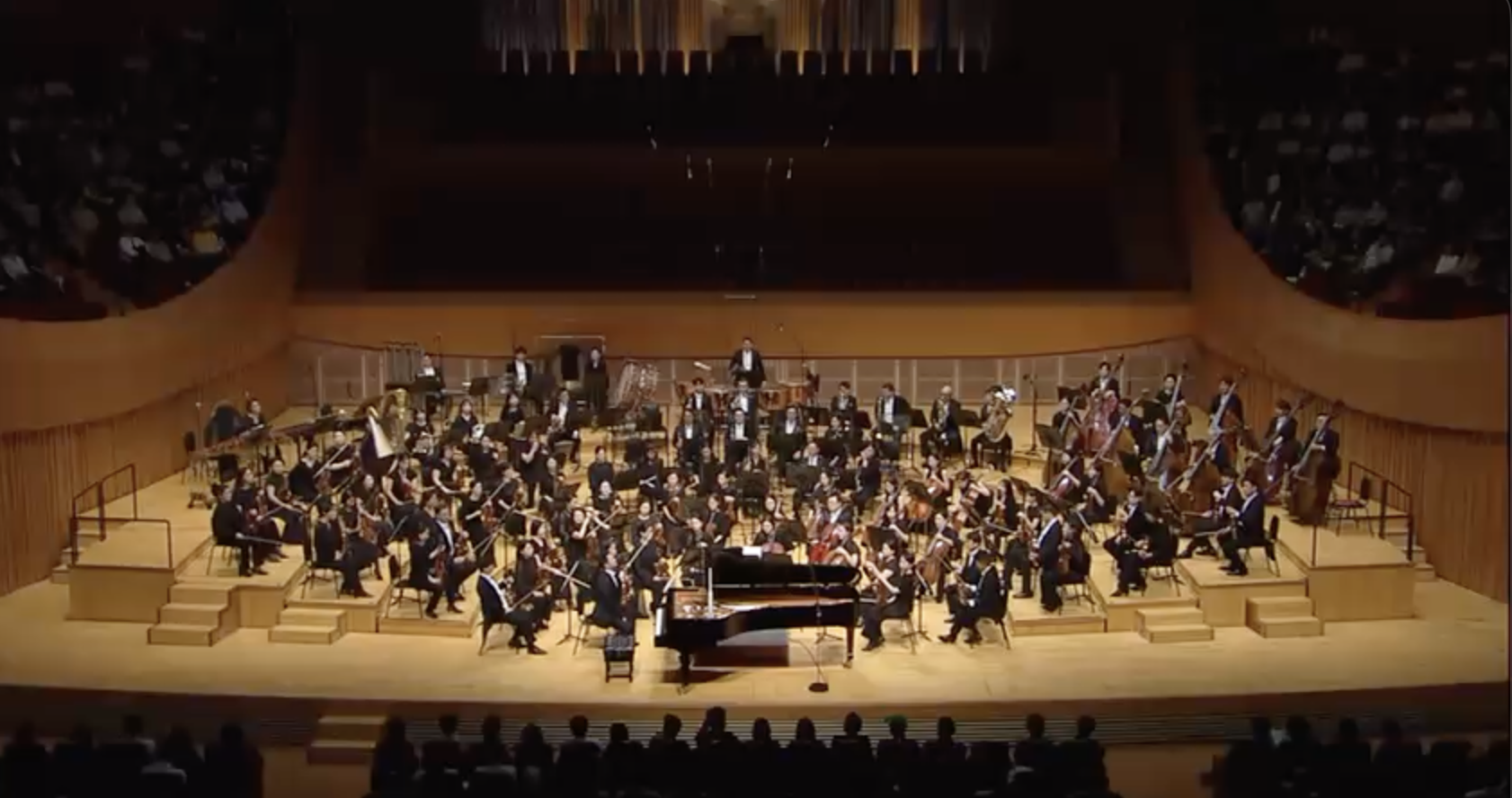
26 September 2025- Rachmaninoff “Rhapsody on a Theme of Paganini” with Seoul Philharmonic Orchestra and Jaap van Zweden

YouTube Selection

Updates

Highlights of the 2025/26 season include subscription debuts with the Atlanta Symphony Orchestra and Innsbruck Symphony Orchestra, a North American tour with the Seoul Philharmonic under Jaap van Zweden, and tours of Asia and Europe with cellist Kian Soltani. He is set to appear at La Folle Journée Tokyo, Hitzacker Festival, and Michelangeli Festival, and will release a recording of Saint-Saëns’ Piano Concerto No. 2 with the Vienna Radio Symphony Orchestra. Further performances include appearances at the Concertgebouw Amsterdam, Santa Cecilia Rome, and Suntory Hall Tokyo.

Reviews / Press

Jaehong Park - Beethoven, Busoni, Bach - Read More

Jae Hong Park, a 22-year-old Korean pianist, was particularly successful at the last edition of the Ferruccio-Busoni Competition in Bolzano, Italy, in 2021. This programme, which was released by Decca and produced by Universal's very active Korean subsidiary features Beethoven's huge Hammerklavier, and a rarer work by Busoni, the 10 Variationen über ein Präludium von Chopin.This young Korean’s piano playing has many truly beautiful qualities, each one sublimely captured here. There is real passion and intensity in the initial Allegro from Beethoven's great Sonata, welcome restraint in the Scherzo that follows, and the initial chords of Adagio Sostenuto have great polyphonic readability. His incredible rendition is beautifully lyrical, and honours Beethoven’s incredible legacy. Jae Hong Park captures the enigmatic tone of the introduction to Allegro risoluto (Fugue), whilst the rest of the piece is nothing short of joyous. Here, the pianist gets lost in his instrument and impresses with his masterful articulation and incredible understanding of register.Just like Rachmaninov’s cycle (Op. 22), Busoni’s ten Variationen über ein Präludium von Chopin (BV 213a) also feature Prelude No. 20 from the Polish-French composer's Op. 28. More compact than that of his Russian colleague (12 minutes as opposed to 36 minutes), Busoni's cycle is highly virtuosic, rather dark in character and clearly reminiscent of Franz Liszt. Jae Hong Park’s clarity of sound is exciting. A pianist to watch. © Pierre-Yves Lascar/Qobuz

Bach Track/Sang Kwon Lee - Read More

Park’s Rachmaninov put clarity of note values and rhythm ahead of flashy rhetoric. An early balance issue briefly saw the orchestra cover the piano, but from the mid section (Vars 11–16) stability returned, helped by restrained pedal and crisp articulation. The Dies irae (Var 7) revealed the lines without bass showboating; Var 18’s inverted contour spoke with tidy logic under discreet rubato. In the closing bracket (Vars 22–24), propulsion and lucid attack yielded outstanding readability, though a bolder timbral experiment in the cadenza like writing and coda may have left a deeper mark. An artist who has moved from muscle first projection towards score centred, restrained lyricism, Park here offered a clear, decorous achievement.

Ear Relevant/Mark Gresham - Read More

Jaehong Park joined Spano and the ASO as soloist for Alexander Scriabin’s Piano Concerto in F-sharp minor, Op. 20. Composed in 1896 when Scriabin was 24, it is his sole concerto and first orchestral piece. It bears the unmistakable imprint of Frédéric Chopin’s influence, alongside discernable echoes of other Romantic composers such as Tchaikovsky, Liszt, and Schumann to a lesser degree. Chopin’s dominant influence is evident in the concerto’s lyrical, singing melodies, intricate piano ornamentation, and elegant phrasing, which closely mirror the Polish composer’s style—think of the poetic fluidity in Chopin’s own piano concertos. Scriabin’s training at the Moscow Conservatory, steeped in Chopin’s legacy, and his own early reputation as a “Russian Chopin” reinforce this connection.Park’s approach was fluid and sensitive, particularly in the opening movement, where he shaped Scriabin’s lyricism with a delicate touch. The ASO provided a responsive accompaniment, supporting Park’s nuanced phrasing without overpowering his pianistic subtleties. The concerto’s delicate, introspective central “Andante” allowed Park to bring out the work’s rhapsodic qualities, while the finale’s effervescent energy highlighted his dexterity. Park’s execution was assured, earning an enthusiastic ovation from the audience.Park returned to the stage for a contrasting, intimate encore: a Prelude in B minor by J.S. Bach arranged by the Russian pianist and composer Alexander Siloti (1863 – 1945). Thus, Bach aficionados might not have recognized it at first as a transcription of the E minor Prelude (No. 10) from the first book of The Well-Tempered Clavier, with the moving 16th notes transferred from the left hand to the right as well as the key change to B minor.

The Korea Herald - by Park Ga-young - Read More

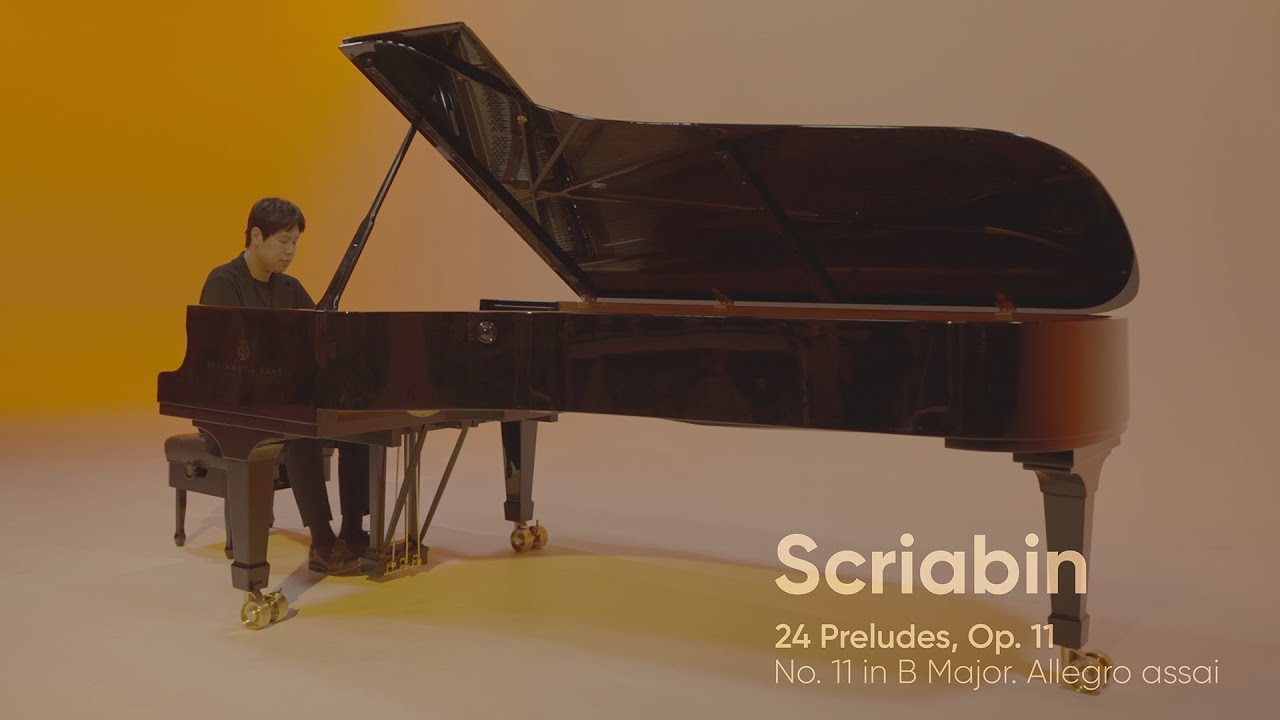
The Korea Herald - by Park Ga-youngFor emerging Korean pianist Park Jae-hong, his latest album featuring two Russian composers and the upcoming recitals showcasing it will be special, as he will bid a temporary goodbye to the music of these composers he loves this fall.On Monday, Park released his Decca debut album, featuring Alexander Scriabin’s 24 Preludes Op. 11 and Sergei Rachmaninoff’s Piano Sonata No. 1 in D minor Op. 28 - the two composers’ lesser-known works.Park, winner of the 2021 Busoni Piano Competition first prize and four other awards, said he had dreamed of performing Rachmaninoff’s Piano Sonata No. 1 since he was young, but kept postponing it because he felt unprepared.“Eventually, I couldn't resist it any longer and decided to perform it. I am very grateful for the opportunity to perform and record it,” Park said during a press conference Monday.Park sees Rachmaninoff’s Piano Sonata No. 1 as “a substantial work, with a thick, long, and deep narrative that flows more like a single, extended piece than one divided by movements” and “wanted to contrast it with something more fragmented yet maintaining its own independent flow, and preludes came to mind. ““Among the preludes, I have naturally played Chopin, and I've played Rachmaninoff. The first prelude by Scriabin holds significant meaning to me as it was the piece that introduced me to the composer. After practicing and considering Scriabin’s other preludes for the first time, I found it to be a fitting combination, making the recording process enjoyable,” the 25-year-old pianist explained.Presenting the composers’ more unfamiliar works, Park said a sense of duty pushed him to practice even harder."I believe that a performer’s duty is to carefully refine and promote the lesser-known works left by composers so that these pieces receive the love they deserve from audiences. Although neither of these pieces is particularly well-known, in my personal opinion, both are masterpieces equal to or even surpassing other famous works,” Park said. “Since these pieces aren’t popular, if I interpret or play them incorrectly, not only would I be at fault, but people might also think poorly of the composer’s work. I wanted to avoid such an unfortunate outcome, so I worked even harder in my practice."

Music OMH - Esther Yoo and JaeHong Park – A dazzling display of technique and virtuosity at the Wigmore Hall - Read More

The concert lasted a lunchtime, the memory will last a lifetime. When violinist Esther Yoo teamed up with pianist Jae Hong Park it clicked from the very start. That is the only conclusion that could ever be drawn from witnessing their first concert together in the United Kingdom, which quite simply made for an hour of perfection. The programme comprised two sonatas, a piece that was originally written for the voice and a take on a popular tune, and it allowed both players to demonstrate the range of their abilities to the full. The gap between the two chords on the piano that open Debussy’s Violin Sonata in G minor (1916-17) seemed to be infinite. It may, in reality, not have been significantly longer than in any other performance, but the manner in which Park could generate anticipation in the audience through such seemingly simple means spoke volumes about his skills. The most intriguing aspect to Yoo’s playing was the fact that her sound did not instantly hit us as being particularly full or sumptuous, but rather seemed to be characterised by cleanness, precision, delicacy and detail. However, it was her ability to assert such control over what she produced at every point that made her capable of achieving anything, so that there was not only power, but real energy, where there needed to be. Her underlying technique also put her in good stead for capturing the more fluid, ‘wispy’ sounds that are required on occasions in the Allegro vivo, while in the Fantastique et legér it was her ability to convey a sense of both flurry and lightness that shone through. Throughout, but particularly in the Finale, one felt captivated by the cleanness and ‘straightness’ of her bowing, which proved to be the means by which so many different effects could be achieved. “…quite simply made for an hour of perfection”Grieg’s Violin Sonata No. 3 in C minor, Op. 45 (1886-87) was executed with equal skill. The opening to the Allegretto espressivo alla Romanza gave an excellent opportunity for Park to shine as his playing revealed a divine twinkle, while also being possessed of just enough weight to ensure there was immense coherence to the structure and phrasing. The same movement’s Allegro molto felt positively electric, because both players’ underlying technique enabled them to achieve thrilling results, and the closing Prestissimo was rendered especially well. This was followed by Rachmaninov’s Vocalise Op. 34, No. 14 (1915), which was originally written for voice but has enjoyed numerous instrumental arrangements. After the excitement of the Grieg, this provided an excellent contrast by feeling so delicate. The main programme then finished with Henry Vieuxtemps’ Souvenir d’Amérique on ‘Yankee Doodle’ Op. 17 (published c.1845). Although it is a fun piece based on a popular tune, the virtuosity required to execute it is quite considerable. The programme described it as ‘involving double- and triple-stopping, harmonics, left-hand pizzicato and rapid arpeggios across the strings’, but on witnessing Yoo plucking the strings with her left hand while bowing virtually simultaneously, even this description seemed to undersell exactly what the piece demanded! By the time the audience had enjoyed two encores, an arrangement of a traditional Korean folk song and Elgar’s Chanson de Matin Op. 15, No. 2, the concert felt as complete as it was undoubtedly accomplished.

Gallery

Instagram
CONTACT
Represented by Kajimoto - Paris
© 2026 Jaeghong Park